

What you need to know before your first trip to Peru
4 Minute Read
Summary
- Machu Picchu bookings must be secured months ahead due to strict visitor limits.
- Altitude sickness is common, so acclimatization strategies and preventive care are critical.
- Seasonal weather and diverse terrain require layered packing and itinerary planning by fitness level.
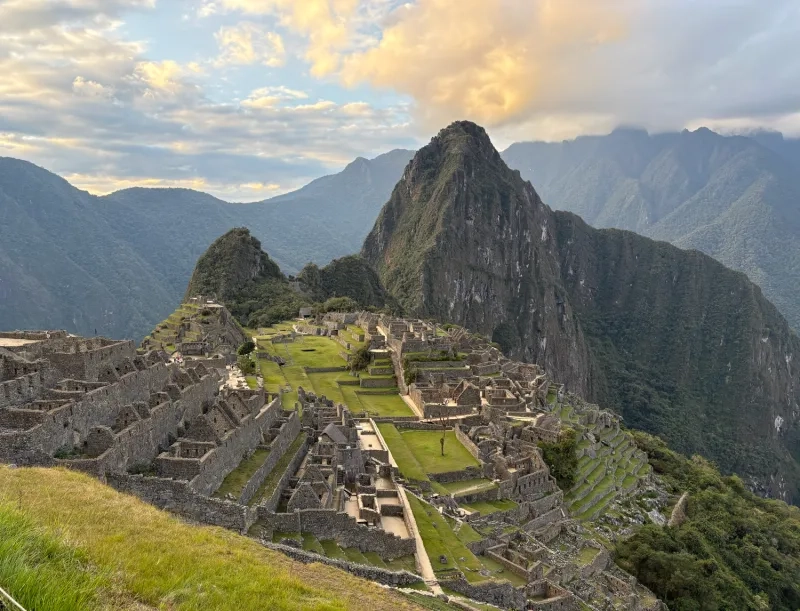
Jutting Andean peaks, sprawling Amazonian jungles and the cradle of one of humanity’s oldest civilizations - Peru is a land where the majesty of nature and weight of history collide amidst the most stunning geography.
“I’ve never been to South America before.” Says Brittany Cubero, Travel Consultant at CAA North Bay, of her recent voyage with Globus. “It's a great option for people who want a little bit of culture, but also some nature and history.”
Whether it be the dramatic vistas, world-class archaeological sites, or one of Latin America’s most celebrated culinary scenes, Peru is a country certain to amaze travellers of all persuasions and to remain an unforgettable adventure.
Plan for the journey, not the destination
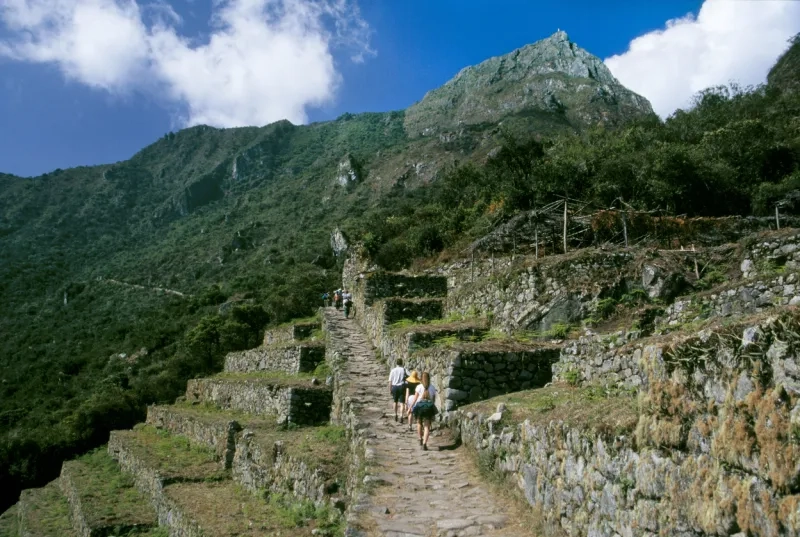
With sprawling mountain chains and networks of ancient Incan roads, Peru can feel like a wonderland for those who live for the wild. That said, Peru is a country that is no less enchanting for those who prefer a leisurely route to the perfect view.
With many of Peru’s top sights nestled deep in the wilderness, planning how you want to explore the country is essential in organizing the perfect trip. For example, the famous Machu Picchu can only be accessed by regional train or by ascending the UNESCO World Heritage-listed Inca Trail. Once they arrive, tourists must choose among three circuits based on their physical preferences.
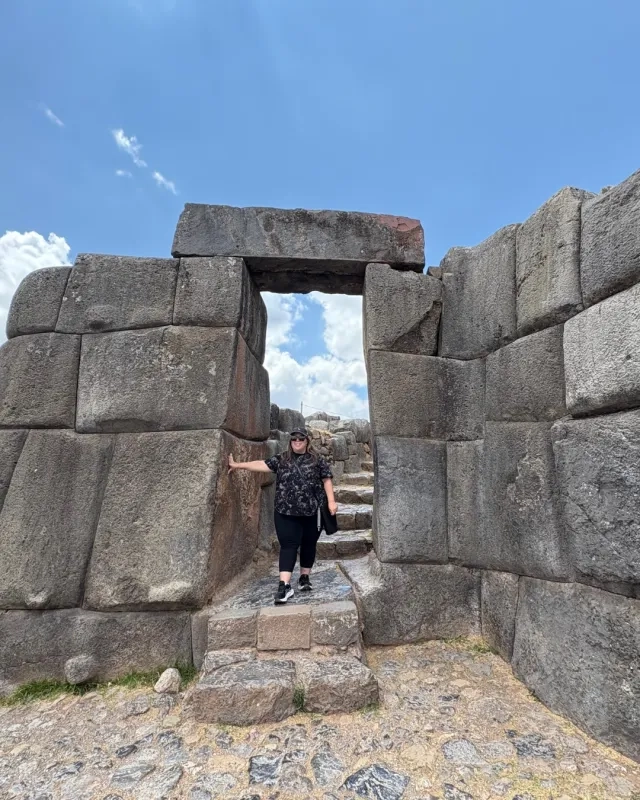
“For fitness level, circuit two was a three to four out of five.” Says Cubero. “It wasn’t anything strenuous, but we were still getting used to the altitude.”
The possibilities expand far beyond Peru’s most cherished national landmark, with thousands of recognized hiking trails spanning jungles, deserts and mountains. Choosing an itinerary based on your preferred level of physicality is essential to making the most of your trip.
Plan your tickets in advance
As with many top global destinations, booking tickets in advance can offer significant advantages. Machu Picchu, for example, must be booked through the official website approximately three to six months before travel during the peak season. Daily capacity at the ruin is limited to 5,600 visitors per day, with only 350 allowed to ascend to the iconic peak of Huayna Picchu. Travellers who want to arrive via the Inca Trail need to take additional steps, as it can only be booked through a licensed agency.
Prepare for altitude sickness
One moment, you’re basking in the majesty of the Andes - the next, keeled over with headaches and nausea.
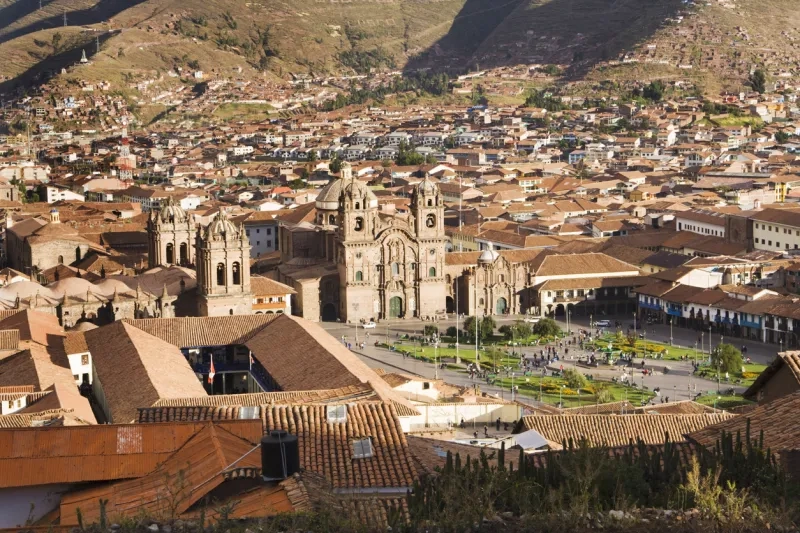
With coastal beaches touching the sea and mountain peaks soaring to 6,768 metres, Peru is a land of altitudinal extremes. While your first steps out of the airport in Lima are unlikely to cause problems, Peru’s most historic city, Cusco, lies 3,400 metres above sea level. For unsuspecting travellers, the difference in oxygen at these altitudes can cause major discomfort.
Luckily, most tours and itineraries take travellers' unfamiliarity with Peru’s altitudes into account. “Right after we got to Cusco, we went to the Sacred Valley, a lower elevation,” Cubero recalls. “They strategically do it so people can acclimatize.”
To mitigate discomfort, be prepared to drink plenty of water, avoid alcohol until you're comfortable and don't hesitate to enjoy some of the readily available coca tea. A trip to the doctor before departure can also help, with medication prescribed when appropriate. Many hotels and tourist facilities in the Cusco region also keep oxygen on hand for guests adjusting to the altitude. It's not uncommon to see travellers relaxing together in hotel lobbies while taking oxygen as they acclimatize to the thinner air.
When to visit and what to pack
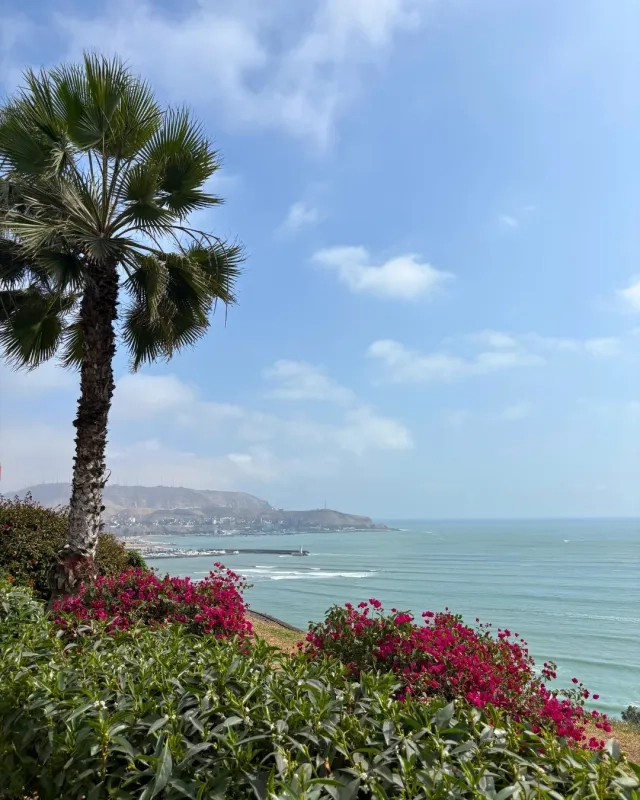
Peru is defined by two seasons: Wet (November to April) and Dry (May to October). For those looking for sunshine and leisure, the late wet season is generally best, with the dry season preferable for mountain hiking.
For money, while the metropolises of Lima and Cusco can be card-forward, cash remains king in the countryside. The national currency, Sol, should be exchanged ahead of travel. Once in the country, it is advised to withdraw cash only from ATMs located inside banks whenever possible for added security and convenience.
As for packing, it depends on the season and the intention of your trip. Hiking boots and paraphernalia are essential for all mountain trekkers, but some diversity in clothing is important for all.
“For Peru, always pack layers for the different climates.” Cubero calmly warns.
Consider a guided tour for your first trip
With a wealth of hard-to-access destinations, occasional political demonstrations, and a language barrier for non-Spanish speakers, travellers planning a trip to Peru would do well to consider a guided tour.
“I really don’t know how I would have navigated doing that on my own.” Cubero claims her own ‘Peru Splendours’ tour booked with Globus. “It’s a great option for people who aren’t as active and a great way to be able to see all the top destinations in a short amount of time.”
Plan your trip to Peru
To learn more about going on a guided tour to Peru with Globus and start planning your dream vacation, visit our CAA Travel hub for trip planning, booking, and expert support, or book an appointment with a CAA Travel Consultant.



