

What to know before your first trip to Central Europe
4 Minute Read
Summary
- Canadian travellers can enter Central Europe visa-free for 90 days under Schengen rules.
- Regional currencies, variable costs, and strong public transport networks shape travel logistics.
- Traditional cuisines emphasize meat, and tipping averages 5-10%.
Schnitzel and trams, goulash and castles, history and treasures – those are just a few of the things Central Europe has to offer.
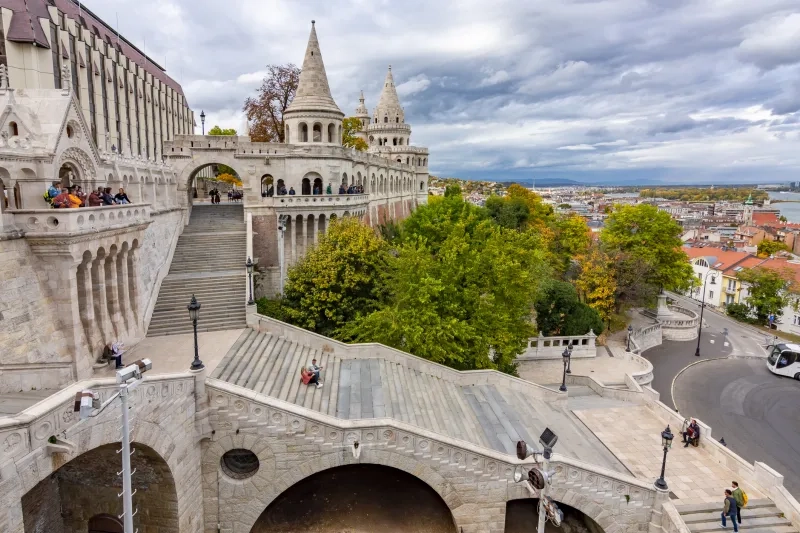
From the glacial peaks of the Austrian Alps to the sweeping grasslands of the Pannonian Basin, Central Europe is a land of rich folk tradition, dramatic vistas and a mosaic of cultures.
Whether tracing the curves of the Danube or exploring the capitals of fallen empires, travellers will find customs, quirks and surprises that can catch even seasoned visitors off guard. From practical essentials to culinary insights, here’s what you need to know before your first trip to the crossroads of Europe.
Before you take off: visas, SIMs, and packing
As part of the Schengen Area, Canadian travellers can enter much of Central Europe for up to 90 days without a visa, making arrival as simple as stepping off the plane.
With that said, there are some steps you can take before travel that can significantly impact the ease of your trip.
If your phone plan doesn’t cover Europe, getting an e-Sim ahead of time can offer valuable peace of mind. Airalo, Holafly and other providers offer comprehensive packages suited to all trip lengths and requirements. It is also advisable to secure travel insurance, especially if you plan to engage in outdoor activities. A popular way to cover Murphy’s Law – anything that can go wrong will go wrong – is to add in “cancel for any reason” insurance, as well.
Packing lists vary by season, but travellers can generally expect hot summers and comparatively cool winters. Sporadic snowfall is common, but nowhere near the levels of Canada. One item that remains useful year-round, however, is a comfortable pair of shoes - as cobblestoned old towns are best enjoyed on foot.
Most countries in the region have their own currency, and while credit cards are fine in major cities, cash remains king in the countryside. Exchanging some spending money before departure can save you the headache of finding a trustworthy ATM upon arrival.
Getting around Central Europe
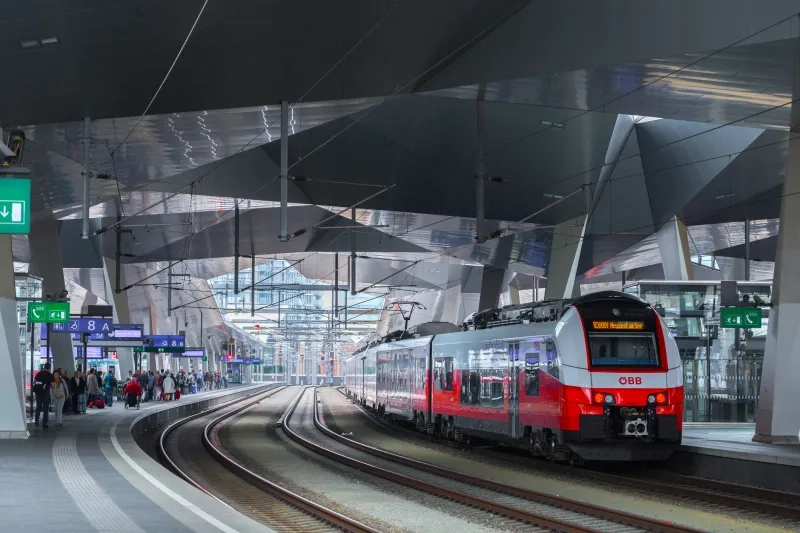
With some of the finest rail networks on the continent, inter-city travel in Central Europe might end up one of the highlights of your trip. Each country operates its own system, with tickets available through each of their respective websites. The Austrian Federal Railways – known as ÖBB and renowned for having a 94 per cent punctuality rate – operates in 18 countries, including those in Central Europe. Specific services vary, though rest assured that comfortable seating and rolling hillscapes are a constant throughout the region.
Meanwhile, major cities like Prague, Budapest and Vienna offer world-class multi-tiered public transportation, with no landmark more than a short tram or metro ride away.
Even destinations in the countryside are surprisingly well connected. Many can be accessed by regional trains or buses, while more remote locales remain serviced by organized tours - making it possible to explore beyond city limits without renting a car.
Money and budgeting
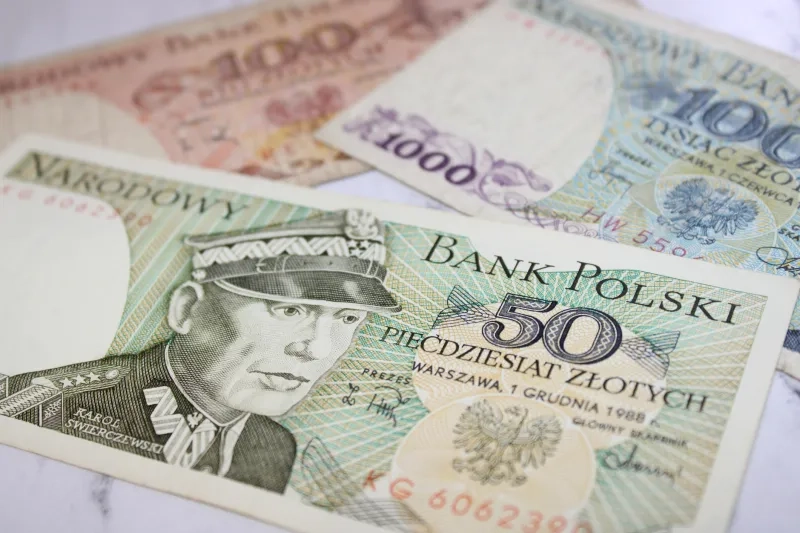
Delightfully for coin collectors, Central Europe has the highest concentration of non-Euro national currencies within the European Union. While Austria favours the continental standard, Poland uses the złoty, Czechia the koruna and Hungary the forint. Exchange rates with the Canadian dollar vary considerably, so taking a moment to familiarize yourself with approximate conversion rates can make marketplace negotiations much easier to navigate.
As for costs, Czechia, Hungary and Poland generally remain easier on the wallet than Western Europe - though the days of budget-friendly travel lie largely behind them. Austria remains more expensive, with prices in Vienna comparable to Western European capitals.
Unsurprisingly, major tourist centres tend to have inflated prices. If travelling on a budget, exploring neighbourhoods outside the core and buying convenient lunches at supermarket chains can both ease the strain on your wallet and lead to some incredible local discoveries.
Eating out and tipping
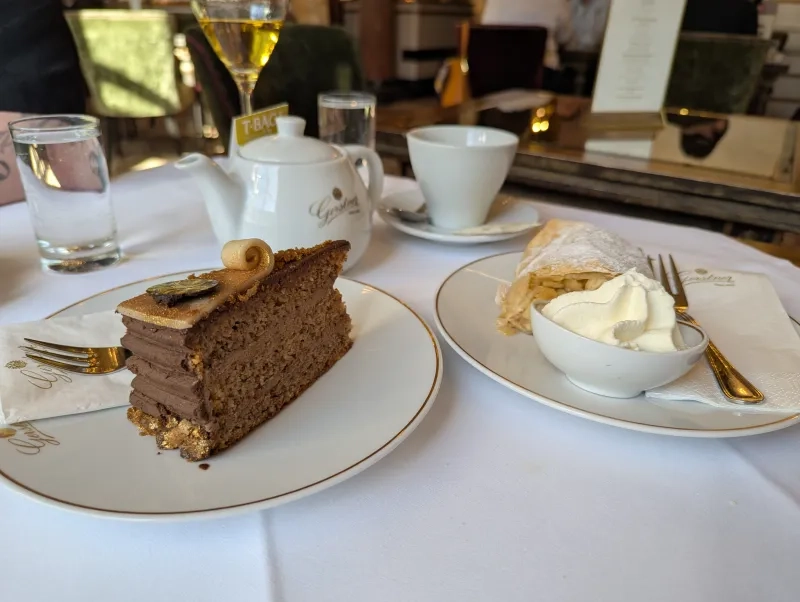
Although underrated by many, Polish, Hungarian, Czech, and Austrian cuisines offer some of the most satisfying comfort-food flavours in the world. From the rich layers of a Viennese Sachertorte to the paprika-laden warmth of a goulash, the diverse tastes and aromas of Central Europe exist to satisfy hearty appetites.
Travellers with dietary restrictions, however, should be aware that the region's cuisines are emphatically meat-heavy. While vegetarian and vegan options are increasingly available in major cities, they remain lacklustre in the hinterland and almost non-existent at traditional restaurants. Bakeries, markets and grocery stores remain useful fallbacks.
Tipping is generally expected, though much more restrained than in North America, with five to ten per cent as the norm.
Plan your trip to Central Europe
In Central Europe, romance and history are as palpable as the surroundings themselves. From baroque palaces to haunted castles, every stop is certain to leave travellers bewitched by the unique charm laden throughout the region. It is a world waiting to be discovered - and a CAA travel consultant can help put it in reach.
To learn more and start planning your dream vacation, visit the CAA Travel hub for trip planning, booking, and expert support, or book an appointment with a CAA Travel Agent.



